

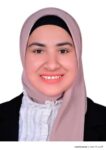

Fatima Abdl-Haleem’s Commitment to Sustainable Futures From Research to Resilience
In a world where the environment and society are increasingly intertwined, young researchers like Fatima Abdl-Haleem an emerging environmental researcher whose work bridges science, policy, and community engagement. She recently graduated with her Master of Science in Environment and Resource Studies from the University of Wisconsin–Madison, where she studied international water policy and sustainable urban development. Fatima’s work reflects a deep understanding of how human and natural systems coexist. From exploring the impact of dams on freshwater species to promoting sustainable fisheries in developing countries, her journey reveals how curiosity, education, and empathy can drive meaningful environmental change.
Early Inspiration
Her initial interest in environmental studies was simply a result of her context. Growing up in southwestern Wisconsin in the Driftless Area — a region known for its rolling hills and lack of glacial flattening — inspired her to study the natural world more closely. She decided to major in zoology for her bachelor’s degree as it combined an integrated approach to both studying the natural world through animals, and also the anthropogenic influences that shape and affect ecosystems. Zoology provided a solid foundation for her understanding of natural ecosystems and basic principles in conservation. Her interest in the human element of the environment became more pronounced, leading her to pursue a master’s degree where she could study the historical and political forces that shaped humanity’s perception of the natural world in the modern era.

Teaching and Evolving Perspectives on Sustainability
Teaching at the University of Wisconsin–Madison also had a profound impact on Fatima’s views on sustainability. Revisiting the topics of her undergraduate studies as an instructor challenged her previous assumptions regarding the goals of sustainability and conservation. During her undergraduate degree, eliminating all traces of anthropogenic change and influence to preserve a pristine wilderness formed the ultimate goal. However, as she delved deeper into environmental ethics and philosophy to explain concepts to her students, she began questioning terms like “pristine” and “untouched wilderness,” seeing them as counterproductive to the real goals of sustainability. Fatima believes that sustainability is not about turning back the geological clock to a prehistoric, prehuman perfection, but about finding ways to seamlessly integrate human culture into natural systems.
Research on Aquatic Systems
Fatima’s academic background also includes extensive work on aquatic systems. Classes and projects on freshwater ecology, marine biology, and water policy formed a significant part of her studies. Highlights included a project on the effects of dams on river ecosystems — especially on diadromous fish species like salmon — and an environmental impact assessment on the effects of high-capacity wells on groundwater and rivers in the Central Sands of Wisconsin. She also conducted research on coral reef restoration through microcutting techniques to stimulate coral growth.
Urban Pollution and Its Impacts on Aquatic Life
Discussing the impacts of pollution from cities on fish and coastal life, Fatima identifies polluted runoff as a major issue. Cities made up of impervious surfaces prevent water from draining into the soil, causing it to carry toxins into nearby water bodies. These pollutants can harm aquatic species directly by triggering algal blooms that deplete oxygen, and indirectly by eroding habitats through flooding. Additionally, the production of fossil fuels in urban areas contributes to ocean acidification and rising temperatures, further endangering aquatic life.
Sustainable Fishing in Developing Countries
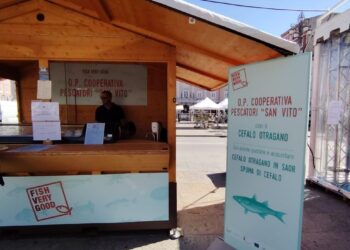
When asked how fishing can be made more sustainable in developing countries, Fatima highlights that unsustainable fishing often stems from industrialized operations focused solely on profit. She advocates for local fisheries that serve their communities and provide diverse seafood based on abundance rather than demand. She cites community-supported fisheries (CSFs) as a model that embraces the triple bottom line — society, environment, and economy — where the public buys a subscription at the beginning of the season and redeems it for fish throughout the year.
Community Engagement in Protecting Fish Resources
Fatima believes local communities play a vital role in protecting fish resources. Community-supported fisheries, she explains, directly connect community members as consumers to local fishermen. By subscribing to receive seasonal seafood, communities gain a greater stake in the success of fisheries and the health of marine populations.
To improve water quality and fisheries management, Fatima recommends establishing buffer zones of green space between urban infrastructure and shorelines, allowing water to recharge into the ground before reaching oceans or lakes. She also suggests increasing the use of permeable pavement to reduce non-point source pollution.
The Great Lakes Future Fishers Initiative
Among her proudest achievements is the Great Lakes Future Fishers Initiative, which aimed to bring younger people into the commercial fishing industries in the Great Lakes region while involving coastal communities in the local fishing economy. Through collaboration between Wisconsin and Michigan Sea Grants, Fatima and her team interviewed local fishermen to better understand the environmental and regulatory pressures they faced. Their findings were later published in Fisheries journal, advocating for a localized fishing economy and sustainable business models such as community-supported fisheries.
Ultimately, Fatima hopes people stop viewing the natural environment as something separate from human culture. She envisions a world where people recognize that the environment is an inextricable part of human experience — something that both shapes and is shaped by humanity.
Advice for the Next Generation
To young people aspiring to work in environmental research or policy, Fatima offers thoughtful advice: identify the type of work that inspires you — whether fieldwork, lab research, or policy — and narrow your focus to a specific resource or industry. She stresses the importance of mastering Geographic Information Systems (GIS), an often underemphasized but crucial tool in environmental work. Finally, she emphasizes that environmental studies is deeply social and community-oriented, requiring strong communication skills and the ability to adapt language to suit diverse audiences.
Through her academic journey and practical work, Fatima Abdl-Haleem exemplifies how environmental research, education, and community engagement can come together to build a more sustainable future.
Fatima Abdl-Haleem’s Commitment to Sustainable Futures From Research to Resilience