

From fishing boats to restaurant tables: how local knowledge can connect fisheries and tourism –
Implemented since 2017 in the fisheries area covered by the local fisheries action group LAGUR Galeb, the programme, officially titled Increasing the Visibility of Catering Facilities with Local Fishery Products, aims to help restaurants offering local fishery and aquaculture products become more visible to domestic and international visitors.
Rather than relying solely on conventional restaurant promotion, the initiative builds on recommendations from fishermen and shellfish growers, who are familiar with the local seafood supply chain. Participating catering establishments can receive a quality label intended to help visitors identify places offering local fishery and aquaculture products.
Turning local knowledge into market visibility
One of the programme’s central ideas is straightforward: fishermen can help consumers identify restaurants that purchase their catches. By making these connections more visible, the initiative seeks to strengthen the relationship between seafood producers, catering businesses and visitors.
This approach is relevant because the economic value of fisheries extends beyond the moment a catch is landed. Fish may pass through several stages before reaching the consumer, including first sale, distribution, preparation and service. Restaurants that purchase locally caught seafood can therefore provide an additional market outlet for fishing businesses while incorporating local products into their menus.
For coastal destinations, this relationship also creates an opportunity to connect seafood consumption with the identity of the place itself. Local fish dishes can become part of the visitor experience, linking regional food traditions with the people and activities that sustain them.
However, the existence of such a programme does not, by itself, demonstrate higher fishermen’s incomes, increased seafood consumption or measurable improvements in environmental sustainability. These outcomes would need to be assessed through economic data, participating businesses’ performance and evidence of changes in purchasing practices.
A link between fisheries and coastal tourism
The initiative illustrates how fisheries and tourism can be considered interconnected parts of a coastal economy rather than entirely separate sectors.
For restaurants, identifying local seafood sources can help communicate the origin of the products they serve. For visitors, a quality label can provide a practical starting point for choosing where to eat. For fishermen, stronger visibility in the local food market may create opportunities to connect their catches with businesses that value local products.
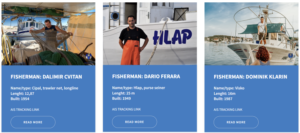
The programme also includes a wider range of fishery products, with its website presenting information about local fish species and seafood establishments. Its online database provides information about participating fishermen, their vessels and fishing activities, alongside restaurants associated with the initiative.
Yet, for this type of model to deliver lasting value, transparency matters. Consumers need reliable information about product origin, while participating businesses need clear criteria for receiving and retaining a quality label. The credibility of the initiative ultimately depends on the relationship between its public claims and actual purchasing practices.
What does this mean for the blue economy?
The Fishermen Recommend initiative offers a practical example of how local fisheries can be linked to tourism and hospitality through a relatively accessible market-based approach.
Its relevance to the blue economy lies not in the label alone, but in the relationships it seeks to establish between fishing communities, seafood buyers and coastal visitors. These connections can help local products gain market visibility and potentially allow more of the value associated with seafood consumption to circulate within the region.
The model also raises questions relevant to other coastal communities: Can restaurants become more reliable markets for locally caught fish? Can visitors be better informed about seafood origin? And can stronger links between producers and hospitality businesses generate measurable benefits for small-scale fishing communities?
The Croatian initiative provides a starting point for exploring these questions, rather than a ready-made solution that can be transferred unchanged to every coastal destination. Its wider relevance will depend on local market conditions, the organisation of fisheries, consumer demand and the ability to monitor results.
Ultimately, connecting fishing boats with restaurant tables is not simply a matter of promoting seafood. It is about making local supply chains more visible and examining how cooperation between fisheries and tourism can contribute to the economic resilience of coastal communities.
Source: Fishermen Recommend, LAGUR Galeb, Croatia — official programme website.
From fishing boats to restaurant tables: how local knowledge can connect fisheries and tourism