



State of World Fisheries and Aquaculture 2026: Charting a Sustainable Path for Global Aquatic Food Systems
The global fisheries and aquaculture sector is undergoing a profound transformation. As the world faces mounting challenges related to food security, climate change, biodiversity loss, and increasing demand for nutritious protein sources, the State of World Fisheries and Aquaculture 2026 (SOFIA 2026) report emerges as a critical reference for understanding the future of aquatic food systems and the actions required to ensure their sustainability.
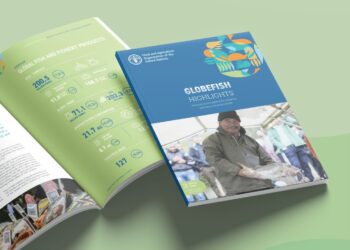
Published biennially by the Food and Agriculture Organization of the United Nations (FAO), the SOFIA report is widely regarded as the most authoritative global assessment of fisheries and aquaculture. It provides comprehensive analyses of production trends, resource management, trade dynamics, technological developments, and policy priorities shaping the sector worldwide.
A Sector of Growing Strategic Importance
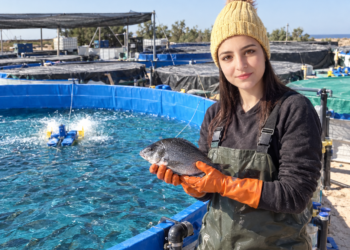
Fisheries and aquaculture play an indispensable role in global food systems, supporting the livelihoods of hundreds of millions of people and serving as a vital source of nutrition for billions. In recent years, aquatic food production has reached unprecedented levels, with aquaculture becoming the primary contributor to fish and seafood destined for human consumption.
This transition reflects the increasing importance of sustainable aquaculture in meeting global food demand while reducing pressure on wild fish stocks. However, the sector’s expansion also raises critical questions regarding environmental sustainability, resource efficiency, and equitable access to economic opportunities.
SOFIA 2026 is expected to highlight the need for integrated approaches that balance production growth with ecosystem conservation, social inclusion, and long-term resilience.
Addressing Persistent Fisheries Challenges
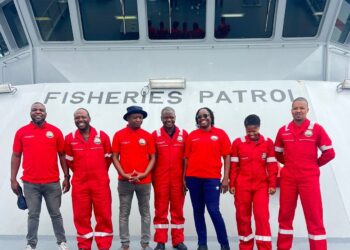
Despite notable progress in fisheries governance and management, significant challenges continue to threaten the sustainability of aquatic resources. Overfishing, illegal, unreported and unregulated (IUU) fishing, habitat degradation, marine pollution, and declining biodiversity remain pressing concerns in many regions of the world.
The report is anticipated to underscore the importance of science-based management, strengthened regulatory frameworks, and enhanced international cooperation to restore depleted fish stocks and ensure the sustainable use of marine and inland fisheries resources.
Encouragingly, experiences from well-managed fisheries demonstrate that effective governance, robust monitoring systems, and stakeholder engagement can lead to measurable improvements in stock recovery and ecosystem health.
Climate Change and the Blue Transformation Imperative
Climate change is increasingly reshaping aquatic ecosystems and altering the conditions under which fisheries and aquaculture operate. Rising ocean temperatures, ocean acidification, extreme weather events, and shifting species distributions are creating new challenges for producers, coastal communities, and policymakers alike.
Against this backdrop, SOFIA 2026 is expected to reinforce the urgency of implementing adaptation and resilience strategies across aquatic food systems. Particular emphasis is likely to be placed on FAO’s Blue Transformation agenda, which seeks to accelerate the development of sustainable aquaculture, improve fisheries management, and strengthen value chains that are efficient, inclusive, and environmentally responsible.
The Blue Transformation framework recognizes that sustainable aquatic food systems are essential not only for food security and economic development but also for achieving broader global commitments, including the United Nations Sustainable Development Goals (SDGs) and the Kunming-Montreal Global Biodiversity Framework.
Harnessing Innovation for Sustainable Development
Technological innovation is becoming an increasingly powerful driver of change in fisheries and aquaculture. Advances in digital technologies, artificial intelligence, remote sensing, data analytics, and precision aquaculture are enabling more effective resource monitoring, improved production efficiency, and evidence-based decision-making.
SOFIA 2026 is expected to emphasize the importance of investing in innovation, research, and capacity-building initiatives that empower governments, industry stakeholders, and local communities to adapt to emerging challenges and seize new opportunities within the blue economy.
Strengthening data systems and enhancing access to scientific information will be essential for improving governance, promoting transparency, and supporting informed policy interventions.
Looking Ahead: Building Resilient Aquatic Food Systems
The State of World Fisheries and Aquaculture 2026 arrives at a defining moment for the global blue economy. As demand for aquatic foods continues to increase and environmental pressures intensify, the need for transformative action has never been more urgent.
The report is expected to provide a strategic roadmap for policymakers, researchers, development partners, and industry leaders seeking to build fisheries and aquaculture systems that are productive, resilient, and sustainable. Achieving this vision will require coordinated international action, increased investment in innovation and capacity building, and a renewed commitment to the responsible stewardship of aquatic resources.
The future of global food security, ocean health, and sustainable economic development will depend largely on the choices made today. SOFIA 2026 serves as both a reminder of the challenges ahead and a call to accelerate the transition toward a more inclusive, resilient, and sustainable blue future.