

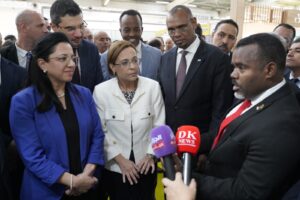
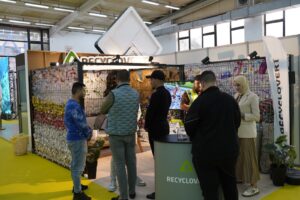
REVADE 2026: turning waste into opportunities for a sustainable future – The International Exhibition for Waste Recovery and Valorization (REVADE), organized by the Algerian Chamber of Commerce and Industry (CACI) and the National Waste Agency (AND), celebrated its 10th edition from October 8 to 10, 2026, at the Palais des Expositions in Algiers. Dedicated to waste collection, sorting, transport, treatment, recovery, and recycling, the exhibition brought together companies, researchers, universities, environmental experts, and public institutions to promote innovation and cooperation in the circular economy. The 2026 edition featured international participation from Germany, Italy, China, Belgium, Rwanda, and the Sultanate of Oman, which attended as the guest of honor, alongside the International Labour Organization (ILO). Further information is available on the official REVADE website.
Waste recovery: an environmental and economic opportunity
Waste management remains an important challenge for sustainable development. When waste is improperly handled or disposed of, it can contribute to soil and water pollution, damage ecosystems, and lead to the loss of materials that could otherwise be recovered. Waste recovery and valorization offer ways to address these challenges by collecting, sorting, treating, recycling, or transforming suitable waste streams into reusable materials and products. These approaches can reduce pressure on natural resources while creating opportunities for technological development, entrepreneurship, and investment in environmental services. Their effectiveness, however, depends on appropriate infrastructure, suitable technologies, effective regulations, and the economic feasibility of recovery processes. REVADE 2026, organized under the theme of a sustainable circular economy, reflects the importance of advancing resource recovery as part of broader efforts to improve environmental performance and encourage more sustainable production and consumption patterns.
Connecting waste valorization with the blue economy
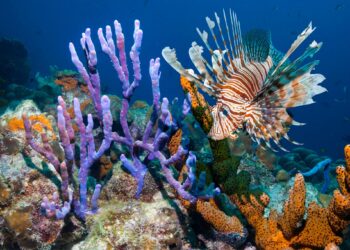
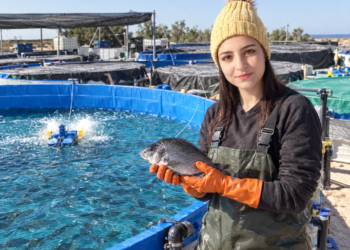
The blue economy encompasses economic activities associated with oceans, seas, and coastal areas, including fisheries, aquaculture, seafood processing, maritime activities, and coastal tourism. These sectors depend on healthy marine ecosystems, yet waste generated by human activities can place significant pressure on coastal and marine environments. This creates an important connection between waste recovery and the blue economy: improving how waste is managed on land and along the coast can help reduce pollution entering aquatic environments, while the responsible valorization of certain waste streams can create additional economic opportunities. For example, waste prevention, improved collection systems, and recycling can help reduce the leakage of plastics into rivers and coastal waters. In seafood processing, suitable by-products such as fish skins, bones, and heads may be recovered for applications including fishmeal production or the extraction of valuable compounds, depending on their composition and the available technology. In aquaculture, research into nutrient recovery and the responsible reuse of organic residues may also contribute to more resource-efficient production systems.
These examples illustrate potential applications of circular economy principles in marine-related sectors. They should not, however, be understood as specific projects presented at REVADE 2026 without confirmation from the event’s official programme.
Why coastal and marine management matter
Protecting marine environments requires action beyond the shoreline. Waste generated by households, businesses, agriculture, and industry can reach the sea through rivers, drainage systems, wind, and inadequate waste disposal.
Consequently, effective waste management is also relevant to marine conservation, fisheries sustainability, and the long-term development of coastal communities.
Integrating waste recovery into coastal development strategies could help address some of these pressures while encouraging cooperation between environmental authorities, research institutions, businesses, and local communities. For Algeria, where marine and coastal resources support several economic activities, strengthening these connections offers an opportunity to bring environmental protection and economic development closer together.
Academic Participation and Environmental Innovation
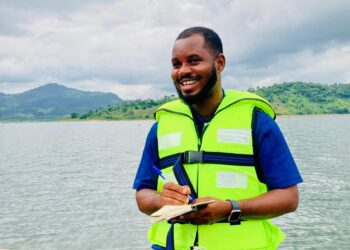
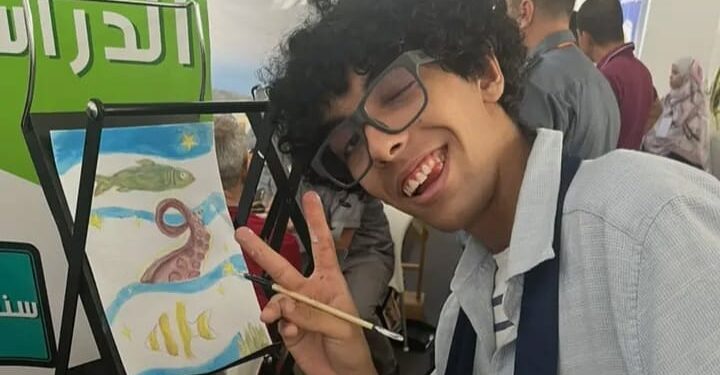
The final day of REVADE 2026 also saw the participation of Algeria’s National Higher School of Marine Sciences and Coastal Management (ENSSMAL), represented by newly graduated state engineers and members of its scientific club, according to the school’s announcement. The school’s participation highlights the relevance of marine science and coastal management within wider discussions on environmental innovation, sustainable development, and youth entrepreneurship. Scientific institutions can contribute to this transition by developing knowledge, assessing environmental impacts, and helping identify solutions suited to local conditions. Cooperation between researchers, entrepreneurs, and public and private organizations is particularly important when turning environmental challenges into technically feasible and economically viable projects.
Towards a more sustainable future
REVADE 2026 places waste recovery and valorization within the wider discussion on sustainable resource management. Its relevance to the blue economy lies in the potential to connect better waste practices with the protection of marine and coastal ecosystems.
Building this connection requires more than recycling alone. It calls for effective waste collection, appropriate treatment technologies, investment, scientific research, and cooperation across sectors.
By strengthening these efforts, Algeria can explore opportunities to reduce environmental pressures, recover valuable resources, and encourage innovation in economic activities linked to its marine and coastal environments.
A more sustainable blue economy begins not only with how marine resources are used, but also with how waste is prevented, managed, and recovered before it reaches the sea.
REVADE 2026: turning waste into opportunities for a sustainable future