



Durban Sets the Stage for Africa’s Regenerative Blue Economy at 7th Ocean Innovation Africa Summit
DURBAN, SOUTH AFRICA – The eThekwini Municipality recently reinforced its status as a premier global hub for maritime dialogue, hosting the 7th Ocean Innovation Africa (OIA) Summit at the Inkosi Albert Luthuli International Convention Centre (ICC). Held from March 23–25, 2026, the summit brought together a powerful coalition of policymakers, entrepreneurs, investors, and scientists to transition Africa from a sustainable to a regenerative blue economy.
A New Vision: From Sustainability to Regeneration
The theme of this year’s summit, “Accelerating and Scaling Out Regenerative Blue Economy Action,” signaled a shift in strategy. Organizers and leaders emphasized that “incremental sustainability” is no longer enough to combat the triple threats of overfishing, pollution, and climate change. Instead, the focus has moved toward business models that actively restore marine ecosystems while driving economic growth.
Alexis Grosskopf, co-founder of Ocean Innovation Africa, noted that with over 38 coastal and island states, Africa is uniquely positioned to lead this global shift. “We have structured the Summit to move past conversation and into real, coordinated action,” Grosskopf stated.

Global Partnerships and High-Level Insights
A major highlight of the event was the keynote address by Charlina Vitcheva, Director-General of the European Commission for Maritime Affairs and Fisheries. Her participation underscored the growing international recognition of Africa’s maritime potential.
Vitcheva highlighted the importance of international cooperation, citing the European Ocean Pact as a blueprint for sustainable ocean governance. She also participated in a high-level panel on “Blue Finance,” discussing how to shift Africa away from aid dependency toward sustainable local capital and blended finance models.
Durban’s Strategic Role
For the host city, the summit was a platform to showcase its “Blue Economy Roadmap.” eThekwini Mayor Cyril Xaba officially opened the event, describing Durban as the “heartbeat of the African blue economy.”
The city’s strategy involves:
-
Infrastructure & Resilience: Reinforcing seawalls and upgrading wastewater infrastructure to protect beach quality.
-
Economic Inclusion: Supporting SMMEs and small-scale fishers to ensure coastal communities benefit from maritime growth.
-
Innovation Hubs: Partnering with TVET colleges and universities to build a pipeline of jobs in ship repair, marine manufacturing, and logistics.
Beyond the Boardroom: Action and Technology
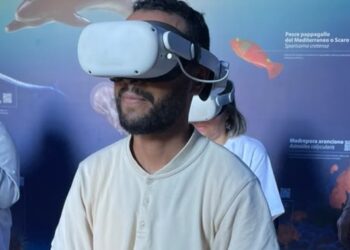
The summit featured immersive technology showcases, including AI-driven ocean mapping and reef restoration solutions developed by South African startups. Unlike traditional conferences, the OIA utilized “PechaKucha” presentations—fast-paced sessions where innovators pitched concise, impactful ideas to potential investors.
The event concluded with a dedicated B2B engagement platform and was followed by a private Ocean Impact Retreat, designed to translate the summit’s high-level discussions into immediate, investable projects.
Looking Ahead
As the summit wrapped up, the message was clear: Africa is no longer just a participant in the global ocean economy—it is becoming a leader. By centering community resilience and ecosystem restoration, the 7th OIA Summit has laid the groundwork for a prosperous, “nature-positive” future for the continent’s vast coastlines.