


• WHO WE ARE
  • CONTACTS
  • PARTNERS
  • ADVERTISING
  • NEWSLETTER
Thursday, April 16, 2026
BlueLifeHub
  • Home
  • News
  • Fishing
  • Aquaculture
  • Environment
  • Players
  • Innovation
  • Events
  • Integrated Activities
No Result
View All Result
Blue Life Hub
  • Home
  • News
  • Fishing
  • Aquaculture
  • Environment
  • Players
  • Innovation
  • Events
  • Integrated Activities
No Result
View All Result
Blue Life Hub
No Result
View All Result
Home Environment

Small fish, the solution that feeds the planet

Studies conducted in low- and middle-income countries, where malnutrition is most prevalent, show extraordinary results.

Davide Ciravolo by Davide Ciravolo
January 15, 2025
in Environment, Fishing, News
Reading Time: 2 mins read
0
Small fish, the solution that feeds the planet

Small fish, the solution that feeds the planet

Small fish, the solution that feeds the planet – At the heart of coastal and rural communities around the world lies an extraordinary resource: small fish. Often overlooked by global markets and undervalued compared to larger fish species, these little heroes of aquatic ecosystems offer an invaluable nutritional contribution.

At a time when malnutrition affects more than two billion people worldwide – causing deficiencies in micronutrients such as iron, calcium and essential vitamins – small fish prove invaluable allies. Anchovies, sardines, and herring, but also indigenous species such as the Bangladeshi mola or the Indian point, are rich in key nutrients that can radically transform the health of vulnerable communities.

A concrete impact on health

Studies conducted in low- and middle-income countries, where malnutrition is most prevalent, show extraordinary results. In Bangladesh, the introduction of native fish into the diets of pregnant women reduced the incidence of anaemia by 30%. In Cambodia, where nearly 30% of children under five suffer from stunted growth due to malnutrition, the production of fortified fish-based foods is having a positive impact. These small fish are eaten whole – with bones, organs and skin – offering a unique combination of bioavailable calcium, iron and fat-soluble vitamins such as A and D.

It’s not just about numbers: integrating these foods into daily diets means improving quality of life, promoting healthy development in children and ensuring safer pregnancies for millions of women.

Local fisheries, sustainable economy

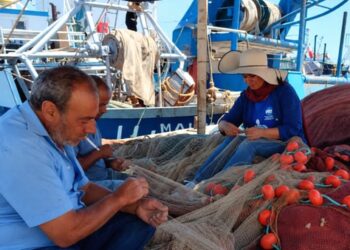
In addition to the nutritional benefits, small-scale fishing – which includes these fish – is an important source of income for millions of fishermen around the world. In Africa, Asia and Latin America, these small fish are mainly harvested, processed and sold locally, contributing to the food security and economic sustainability of communities. Promoting their consumption not only improves public health, but also supports often fragile local economies.

However, to maximise these benefits, it is crucial to protect aquatic habitats and manage fisheries sustainably. Overfishing practices could put these precious resources at risk, reducing their availability for future generations.

A global challenge

Recognition of the value of small fish should be a priority on global political agendas. Food policies and awareness-raising programmes that encourage their consumption should be developed and integrated into strategies to combat malnutrition. In addition, international organisations can play a crucial role by supporting local fishermen, improving fish processing infrastructure and promoting fair trade.

Even in high-income countries, these fish can be a healthy and sustainable food choice, helping to reduce dependence on intensively farmed animal protein. Their low ecological footprint makes them an option perfectly in line with the principles of environmental sustainability.

A perspective for the future

The world needs innovative and practical solutions to address global health and food security challenges. Small fish, if valued, can transform the future of millions of people, providing healthier diets, protected ecosystems and more resilient communities.

Promoting the consumption of these species is not just about responding to a crisis, but embracing a new, more inclusive and planet-friendly vision of food. It is time to look at small fish with new eyes, recognising their great potential.

Small fish, the solution that feeds the planet

Tags: Small fishthe solution that feeds the planet

ShareShareTweetSend
Previous Post

Artisanal fishing in Senegal. A tradition in danger of disappearing

Next Post

Microplastics in the sea, an invisible threat on our plates

Davide Ciravolo

Davide Ciravolo

Related Posts

Federal Government Reaffirms Commitment to Sustainable Development of Nigeria’s Blue Economy

Federal Government Reaffirms Commitment to Sustainable Development of Nigeria’s Blue Economy

by Hadeer Amer Elkhouly
April 15, 2026

Federal Government Reaffirms Commitment to Sustainable Development of Nigeria’s Blue Economy ABUJA — The Federal Government of Nigeria has restated...

What If One Drop of Water Could Feed Both Fish and Crops? How Eco AquaSmart Is Transforming Farming

What If One Drop of Water Could Feed Both Fish and Crops? How Eco AquaSmart Is Transforming Farming

by Sharrif Injamu
April 14, 2026

What If One Drop of Water Could Feed Both Fish and Crops? How Eco AquaSmart Is Transforming Farming Across much...

Clean Shores, Great Lakes: 25,000 Kilograms of Litter Collected and a Movement for Change

Clean Shores, Great Lakes: 25,000 Kilograms of Litter Collected and a Movement for Change

by Sharrif Injamu
April 13, 2026

Clean Shores, Great Lakes: 25,000 Kilograms of Litter Collected and a Movement for Change Plastic pollution has become one of...

Spotlight on African Women in Aquaculture as the AUDA-NEPAD, World Aquaculture Society (African Chapter) and Partners commemorate the UN International Year of the Woman Farmer 2026

Spotlight on African Women in Aquaculture as the AUDA-NEPAD, World Aquaculture Society (African Chapter) and Partners commemorate the UN International Year of the Woman Farmer 2026

by Editorial staff
April 10, 2026

Spotlight on African Women in Aquaculture as the AUDA-NEPAD, World Aquaculture Society (African Chapter) and Partners commemorate the UN International...

Next Post
Microplastics in the sea, an invisible threat on our plates

Microplastics in the sea, an invisible threat on our plates

Leave a Reply Cancel reply

Your email address will not be published. Required fields are marked *

Categories


Newsletter

Blue Life Hub

The goal of Blue Life Hub is to inform and network between players in the Mediterranean and Africa, areas that have very important commonalities and shared interests.

Categories

  • Fishing
  • Aquaculture
  • Environment
  • Players
  • Innovation
  • Events

Follow us on:

Stock images by Depositphotos

  • WHO WE ARE
  • CONTACTS
  • PARTNERS
  • ADVERTISING
  • NEWSLETTER

© 2025 BLUE LIFE HUB. - P.Iva: 06325260823

Welcome Back!

Login to your account below

Forgotten Password?

Retrieve your password

Please enter your username or email address to reset your password.

Log In

Add New Playlist

Our Spring Sale Has Started

You can see how this popup was set up in our step-by-step guide: https://wppopupmaker.com/guides/auto-opening-announcement-popups/

No Result
View All Result
  • Home
  • News
  • Fishing
  • Aquaculture
  • Environment
  • Players
  • Innovation
  • Events
  • Integrated Activities
  • Who We Are
  • Contacts
  • Partners
  • Advertising
  • Newsletter

© 2025 BLUE LIFE HUB. - P.Iva: 06325260823