



• WHO WE ARE
  • CONTACTS
  • PARTNERS
  • ADVERTISING
  • NEWSLETTER
Tuesday, May 12, 2026
BlueLifeHub
  • Home
  • News
  • Fishing
  • Aquaculture
  • Environment
  • Players
  • Innovation
  • Events
  • Integrated Activities
No Result
View All Result
Blue Life Hub
  • Home
  • News
  • Fishing
  • Aquaculture
  • Environment
  • Players
  • Innovation
  • Events
  • Integrated Activities
No Result
View All Result
Blue Life Hub
No Result
View All Result
Home Aquaculture

Yes or no to octopus farming?

Nueva Pescanova recently reported that it has reached the fifth generation of octopuses born in the facilities, which have managed to reproduce outside their natural habitat.

Davide Ciravolo by Davide Ciravolo
January 10, 2024
in Aquaculture, Innovation, News
Reading Time: 2 mins read
0
Yes or no to octopus farming?

Yes or no to octopus farming?

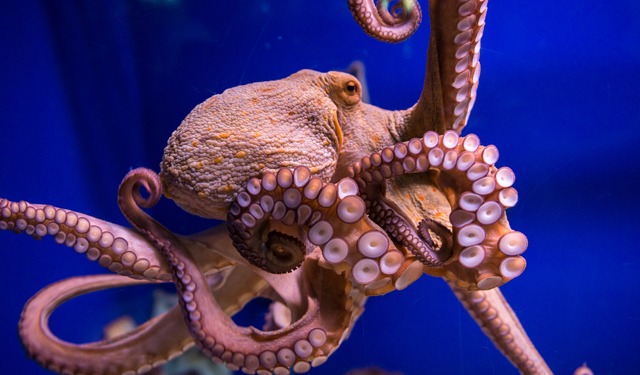
Yes or no to octopus farming? – Despite massive public opposition, the world’s first commercial octopus farm, built in the Canary Islands by Nueva Pescanova, seems to be going ahead.

The project, which aims to raise one million octopuses per year for food, is awaiting the regulatory approval needed to start work. The production technology, launched in 2018, has overcome the challenges associated with intensive octopus farming, previously considered almost impossible due to the larvae’s feeding requirements and the controlled environment required.

Nueva Pescanova recently reported that it has reached the fifth generation of octopuses born in the facilities, which have managed to reproduce outside their natural habitat.

However, the project faced opposition from environmentalists and part of the scientific community. Some 75 NGOs, experts and public figures sent an open letter to the Canary Islands government, demanding that the project be abandoned to avoid animal cruelty, environmental damage and negative impacts on tourism.

The ethical issue raises controversy, as octopuses are solitary and intelligent animals. Organisations such as Compassion in World Farming have pointed out that octopuses cannot be raised to high welfare standards, arguing that intensive farming could lead to aggression or cannibalism.

The project, supported by nine research centres in Spain, Portugal and Mexico, is seen as a scientific breakthrough to address the growing global demand for octopus. However, the debate over the slaughter of octopuses and the living conditions in the breeding centres raise ethical concerns.

Despite the resistance, Nueva Pescanova defends its project, emphasising efforts to optimise production in terms of genetics, nutrition, health and animal welfare. The project aims to develop sustainable aquaculture, but opponents call for a ban on commercial octopus farming.

The growing global demand for octopus, estimated at 350,000 tonnes per year, makes the debate on intensive farming a relevant issue. Nueva Pescanova claims the technology meets quality and animal welfare standards, but the outcome of the project remains uncertain, with environmentalists lobbying lawmakers for a ban.

Yes or no to octopus farming?

Tags: aquacultureblue economyblue transformationfarmingoctopus
ShareShareTweetSend
Previous Post

Climate change: growing inequalities in catch

Next Post

Ten things you need to know about the new port of Dakhla Atlantique in Morocco

Davide Ciravolo

Davide Ciravolo

Related Posts

A New Era for Egyptian Seafood: Egypt Gains First-Ever EU Approval for Farmed Fish Exports

A New Era for Egyptian Seafood: Egypt Gains First-Ever EU Approval for Farmed Fish Exports

by Editorial staff
May 12, 2026

A New Era for Egyptian Seafood: Egypt Gains First-Ever EU Approval for Farmed Fish Exports CAIRO, EGYPT – In a...

a museum to discover

The sea remembers everything: inside Fécamp’s Fishing Museum

by Orazio Albano
May 11, 2026

There are places where the sea is not simply a landscape. Fécamp is one of them. On the Normandy coast,...

Strengthening the Sails: African Boating Conference 2026 Gains Momentum with Key Sponsors and Global Speakers

Strengthening the Sails: African Boating Conference 2026 Gains Momentum with Key Sponsors and Global Speakers

by Editorial staff
May 7, 2026

Strengthening the Sails: African Boating Conference 2026 Gains Momentum with Key Sponsors and Global Speakers The African marine industry is...

Electric vessels and the future of marine navigation: a case from the Red Sea

Electric vessels and the future of marine navigation: a case from the Red Sea

by Orazio Albano
May 6, 2026

Electric vessels and the future of marine navigation: a case from the Red Sea Electric propulsion systems are reshaping marine...

Next Post
Ten things you need to know about the new port of Dakhla Atlantique in Morocco

Ten things you need to know about the new port of Dakhla Atlantique in Morocco

Leave a Reply Cancel reply

Your email address will not be published. Required fields are marked *

Categories


Newsletter

Blue Life Hub

The goal of Blue Life Hub is to inform and network between players in the Mediterranean and Africa, areas that have very important commonalities and shared interests.

Categories

  • Fishing
  • Aquaculture
  • Environment
  • Players
  • Innovation
  • Events

Follow us on:

Stock images by Depositphotos

  • WHO WE ARE
  • CONTACTS
  • PARTNERS
  • ADVERTISING
  • NEWSLETTER

© 2025 BLUE LIFE HUB. - P.Iva: 06325260823

Welcome Back!

Login to your account below

Forgotten Password?

Retrieve your password

Please enter your username or email address to reset your password.

Log In

Add New Playlist

Our Spring Sale Has Started

You can see how this popup was set up in our step-by-step guide: https://wppopupmaker.com/guides/auto-opening-announcement-popups/

No Result
View All Result
  • Home
  • News
  • Fishing
  • Aquaculture
  • Environment
  • Players
  • Innovation
  • Events
  • Integrated Activities
  • Who We Are
  • Contacts
  • Partners
  • Advertising
  • Newsletter

© 2025 BLUE LIFE HUB. - P.Iva: 06325260823