


• WHO WE ARE
  • CONTACTS
  • PARTNERS
  • ADVERTISING
  • NEWSLETTER
Wednesday, January 21, 2026
BlueLifeHub
  • Home
  • News
  • Fishing
  • Aquaculture
  • Environment
  • Players
  • Innovation
  • Events
  • Integrated Activities
No Result
View All Result
Blue Life Hub
  • Home
  • News
  • Fishing
  • Aquaculture
  • Environment
  • Players
  • Innovation
  • Events
  • Integrated Activities
No Result
View All Result
Blue Life Hub
No Result
View All Result
Home Aquaculture

Africa. Tilapia may not be the optimal solution for small farms

The study, titled "The role of aquaculture and capture fisheries in meeting food and nutrition security: Testing a nutrition-sensitive pond polyculture intervention in rural Zambia," was published in the journal Foods.

Editorial staff by Editorial staff
January 18, 2023
in Aquaculture, Innovation
Reading Time: 2 mins read
0
Africa. Tilapia may not be the optimal solution for small farms

Africa. Tilapia may not be the optimal solution for small farms

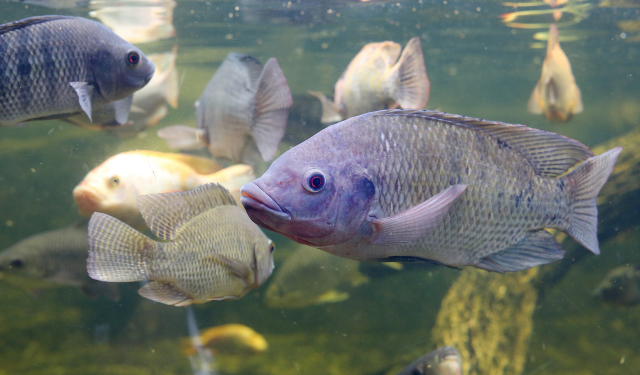
Africa. Tilapia may not be the optimal solution for small farms – A new study by scientists from the University of Stirling’s Institute of Aquaculture and WorldFish has revealed that pond polyculture can serve as a valuable supplement to capture fisheries in areas with seasonal fishing restrictions. The study, titled “The role of aquaculture and capture fisheries in meeting food and nutrition security: Testing a nutrition-sensitive pond polyculture intervention in rural Zambia” was published in the journal Foods.

The research focused on Zambian smallholder homesteads and found that stocking various indigenous, micronutrient-rich small fish species instead of relying solely on tilapia can offer a direct source of food for household consumption, rather than producing a monoculture for cash crops. Shakuntala Haraksingh Thilsted, WorldFish Global Lead for Nutrition and Public Health and one of the study’s co-authors, said “Aquaculture, especially polyculture systems with indigenous small fish species, has the potential to improve the nutrient intake of households during closed fishing seasons.”

University of Stirling doctoral candidate Alexander Kaminski, the study’s lead author, added that the study found a polyculture approach could help preserve natural resources while at the same time providing better nutrition to local smallholder farmers. He said “Polyculture ponds provide a good source of diverse, micronutrient-rich small fish species. However, the amount of fish from the wild, especially small fish species from the large lakes that are dried, play a more significant role in people’s nutrient intake. Ultimately, any improvements to aquaculture should not be done in isolation without considering the more-important role of capture fisheries in providing cheap, micronutrient-rich small fish for vulnerable people.”

Africa. Tilapia may not be the optimal solution for small farms

Tags: africablue economyblue tranformationfish farmfish farmerstilapia
ShareShareTweetSend
Previous Post

Protecting nature protects people

Next Post

Guide to Best Practices for the Collection and Recycling of Plastic Waste from Fishing

Editorial staff

Editorial staff

Related Posts

Reef Cub and the restoration of oyster reefs in the North Sea

Reef Cub and the restoration of oyster reefs in the North Sea

by Orazio Albano
January 20, 2026

Reef Cub and the restoration of oyster reefs in the North Sea In the North Sea, a pioneering restoration initiative...

The Fisheries Sector in Mauritania: A Blue Wealth Between Opportunities and Challenges

The Fisheries Sector in Mauritania: A Blue Wealth Between Opportunities and Challenges

by Douniazad Abbani
January 7, 2026

The Fisheries Sector in Mauritania: A Blue Wealth Between Opportunities and Challenges The fisheries sector stands as one of the...

SeaBlue Innovators: Empowering Coastal Communities Through a Fairer Blue Economy

SeaBlue Innovators: Empowering Coastal Communities Through a Fairer Blue Economy

by Sharrif Injamu
December 30, 2025

SeaBlue Innovators: Empowering Coastal Communities Through a Fairer Blue Economy Along Tanzania’s vast and resource-rich coastline, the promise of the...

Libya’s Aquaculture: A Blue Frontier of Opportunity

Libya’s Aquaculture: A Blue Frontier of Opportunity

by Amel Mzoughi Aldeek
December 26, 2025

Libya’s Aquaculture: A Blue Frontier of Opportunity Libya has vast, yet underused, marine and inland waters that could transform its...

Next Post
Guide to Best Practices for the Collection and Recycling of Plastic Waste from Fishing

Guide to Best Practices for the Collection and Recycling of Plastic Waste from Fishing

Leave a Reply Cancel reply

Your email address will not be published. Required fields are marked *

Categories


Newsletter

Blue Life Hub

The goal of Blue Life Hub is to inform and network between players in the Mediterranean and Africa, areas that have very important commonalities and shared interests.

Categories

  • Fishing
  • Aquaculture
  • Environment
  • Players
  • Innovation
  • Events

Follow us on:

Stock images by Depositphotos

  • WHO WE ARE
  • CONTACTS
  • PARTNERS
  • ADVERTISING
  • NEWSLETTER

© 2025 BLUE LIFE HUB. - P.Iva: 06325260823

Welcome Back!

Login to your account below

Forgotten Password?

Retrieve your password

Please enter your username or email address to reset your password.

Log In

Add New Playlist

No Result
View All Result
  • Home
  • News
  • Fishing
  • Aquaculture
  • Environment
  • Players
  • Innovation
  • Events
  • Integrated Activities
  • Who We Are
  • Contacts
  • Partners
  • Advertising
  • Newsletter

© 2025 BLUE LIFE HUB. - P.Iva: 06325260823