


• WHO WE ARE
  • CONTACTS
  • PARTNERS
  • ADVERTISING
  • NEWSLETTER
Tuesday, March 17, 2026
BlueLifeHub
  • Home
  • News
  • Fishing
  • Aquaculture
  • Environment
  • Players
  • Innovation
  • Events
  • Integrated Activities
No Result
View All Result
Blue Life Hub
  • Home
  • News
  • Fishing
  • Aquaculture
  • Environment
  • Players
  • Innovation
  • Events
  • Integrated Activities
No Result
View All Result
Blue Life Hub
No Result
View All Result
Home Innovation

Electric car batteries made with shellfish by-product

Researchers from the University of Maryland and Houston have developed a battery made with zinc and chitosan derived from chitin, one of the main components of the exoskeletons of crabs, shrimps and lobsters

Editorial staff by Editorial staff
November 30, 2022
in Innovation, Integrated Activities, Players
Reading Time: 1 min read
0
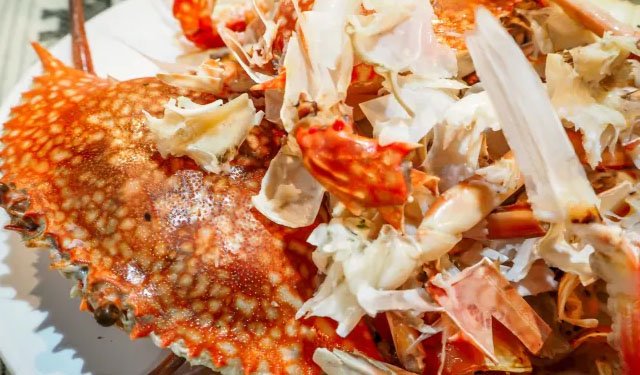
Electric-car-batteries-made-with-shellfish-by-product.jpeg

Electric car batteries made with crustacean by-products – A study published last September in the scientific journal Matter bodes well for the future sustainability of batteries for electric cars.


Battery made with zinc and chitosan

A group of researchers from the University of Maryland and that of Houston has developed a battery made with zinc and chitosan derived from chitin, one of the main components of the exoskeletons of crabs, shrimps and lobsters and other crustaceans.

The new battery demonstrated excellent high-speed performance and long-term cycling stability. Furthermore, the chitosan-Zn electrolyte is non-flammable and is biodegradable, which makes the battery very interesting in terms of safety and sustainability.


Security and sustainability

The research group is led by Professor Liangbing Hu who in an interview with Newsweek specified that the battery can be used for internal combustion engines or to store the energy generated by large-scale wind and solar panels for transfer to electrical networks. Hu stressed that more convenience and sustainability would still be the most attractive factors of its use.

Chitin has already found commercial use in the pharmaceutical industry, in the production of pesticides and fertilizers and again for the production of edible coatings and films for food applications.

Here you can access the research “A sustainable chitosan-zinc electrolyte for high-rate zinc-metal batteries”.

Electric car batteries made with shellfish by-product
Tags: circular economycrablobstershrimpsustainabilityUSA
ShareShareTweetSend
Previous Post

Morocco and Mauritania renew agreement on fishing and aquaculture

Next Post

Artigianal fishing and Marine Procted Areas: a mutual benefit relationship in South of Albania

Editorial staff

Editorial staff

Related Posts

Can seagrass restore coastal futures and coastal economies?

Can seagrass restore coastal futures and coastal economies?

by Orazio Albano
March 16, 2026

Can seagrass restore coastal futures and coastal economies? Across the tropical waters of the Western Indian Ocean, vast underwater landscapes...

Inclusive Blue Economy in Action: Lessons from Zanzibar’s Bahari Mali Project

Inclusive Blue Economy in Action: Lessons from Zanzibar’s Bahari Mali Project

by Hadeer Amer Elkhouly
March 5, 2026

Inclusive Blue Economy in Action: Lessons from Zanzibar’s Bahari Mali Project For the coastal communities of Pemba Island, the ocean...

Reimagining Seaweed for a New Generation: Chef Andrew Wilkinson’s Strategic Push for a Sustainable Food Alternative

Reimagining Seaweed for a New Generation: Chef Andrew Wilkinson’s Strategic Push for a Sustainable Food Alternative

by Amel Mzoughi Aldeek
March 4, 2026

Reimagining Seaweed for a New Generation: Chef Andrew Wilkinson’s Strategic Push for a Sustainable Food Alternative In a setting more...

Do you agree that mangroves protect Kenya’s economy? Where can we find the capital to protect them? An interview with Justice Baya

Do you agree that mangroves protect Kenya’s economy? Where can we find the capital to protect them? An interview with Justice Baya

by Orazio Albano
March 3, 2026

Do you agree that mangroves protect Kenya’s economy? Where can we find the capital to protect them? An interview with...

Next Post
Butrinti

Artigianal fishing and Marine Procted Areas: a mutual benefit relationship in South of Albania

Leave a Reply Cancel reply

Your email address will not be published. Required fields are marked *

Categories


Newsletter

Blue Life Hub

The goal of Blue Life Hub is to inform and network between players in the Mediterranean and Africa, areas that have very important commonalities and shared interests.

Categories

  • Fishing
  • Aquaculture
  • Environment
  • Players
  • Innovation
  • Events

Follow us on:

Stock images by Depositphotos

  • WHO WE ARE
  • CONTACTS
  • PARTNERS
  • ADVERTISING
  • NEWSLETTER

© 2025 BLUE LIFE HUB. - P.Iva: 06325260823

Welcome Back!

Login to your account below

Forgotten Password?

Retrieve your password

Please enter your username or email address to reset your password.

Log In

Add New Playlist

Our Spring Sale Has Started

You can see how this popup was set up in our step-by-step guide: https://wppopupmaker.com/guides/auto-opening-announcement-popups/

No Result
View All Result
  • Home
  • News
  • Fishing
  • Aquaculture
  • Environment
  • Players
  • Innovation
  • Events
  • Integrated Activities
  • Who We Are
  • Contacts
  • Partners
  • Advertising
  • Newsletter

© 2025 BLUE LIFE HUB. - P.Iva: 06325260823