


Ghana’s Mangrove Women: Resilient Guardians of Oysters
In Ghana’s coastal mangroves, women continue oyster harvesting despite a reduction in aid that scaled back training programs. Their work supports families and protects fragile ecosystems, yet without stronger backing, both livelihoods and nature remain at risk.
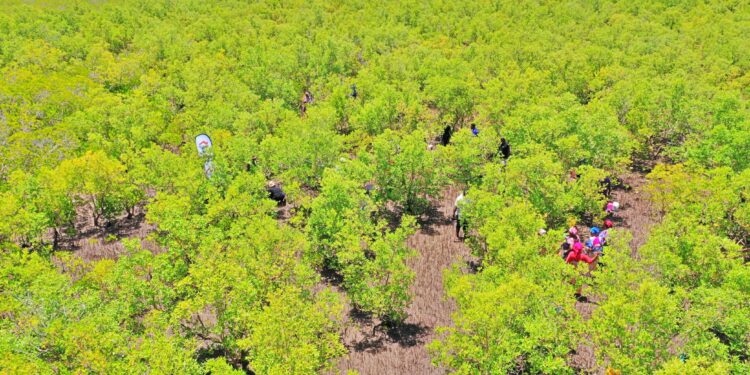
In the coastal villages of Ghana, oyster farming is more than just a source of food—it is the backbone of household survival. Women are at the center of this activity, diving into mangrove waters to harvest oysters that feed their families and bring modest income to their communities. Over the years, many of them took part in environmental training programs supported by international aid. These programs provided valuable knowledge on sustainable practices, while also encouraging mangrove restoration to protect oyster habitats.
Challenges After Reduced Support
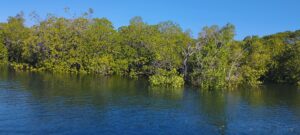
However, with aid funding reduced, the programs have been scaled down. The women now receive less technical guidance and fewer resources than before. This shift has immediate consequences: without sufficient equipment or training, oyster collection becomes more difficult and more dangerous. Many women must dive deeper and stay longer in the water to find oysters, exposing themselves to health risks. On a broader level, reduced support threatens to undo years of progress in replanting and protecting mangroves, ecosystems that not only sustain oysters but also shield coastal villages from storms, erosion, and the growing impacts of climate change.
The importance of these women’s work cannot be overstated. Oyster farming ensures food security, provides income for hundreds of families, and strengthens local resilience in the face of economic and environmental pressures. At the same time, mangrove restoration has global significance: mangroves store carbon, act as natural coastal defenses, and help fight climate change. By keeping this practice alive, the women of Ghana are protecting both their communities and a vital ecosystem that benefits the entire planet.
Despite fewer resources, these women continue to persevere. They share knowledge among themselves, organize harvesting times to prevent overuse, and maintain their commitment to the mangroves. Their resilience is remarkable, but determination alone cannot fill the gap left by reduced external support. To secure lasting impact, they need stable investment, renewed training, and recognition of the vital role they play.
The story of these women is both inspiring and alarming. It shows the power of local action, but also the fragility of progress when support is reduced. I believe it is essential to stand with them and reinforce their initiatives, because the benefits go beyond their villages—they extend to environmental health, food security, and climate resilience. Supporting these women means supporting life, community, and the balance between people and nature.