



Red Tilapia in Algeria: the story of Bouabdallah farm’s Journey from a simple irrigation pond to a promising hatchery project
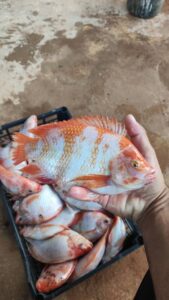
The aquaculture sector in Algeria—especially red tilapia farming—has been experiencing positive momentum in recent years thanks to small farms that gradually evolved into organized production units. Among these experiences, Bouabdallah Farm stands out as an inspiring model: a modest beginning that grew into a sustainable hatchery-based activity. It all started with a small irrigation pond, before circumstances and coincidence revealed the potential for successfully raising and breeding red tilapia. Over the years, the farm expanded step by step, moving toward structured hatchery work and improving broodstock quality, while navigating challenges related to resources, supplies, and the seasonal nature of the market.
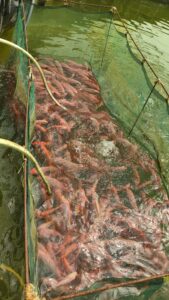
The origins of Bouabdallah Farm go back twelve years, when a small irrigation pond was stocked with a few tilapia fish. After a winter flood, the pond was covered with a plastic greenhouse, creating a more stable environment that allowed the tilapia to reproduce unexpectedly well. Encouraged by this surprising success, the farm’s owner decided to develop the idea further, later bringing in specialized expertise to begin organized hatchery operations. Gradually, the farm expanded and built a year-round hatchery facility, relying on diverse broodstock to ensure strong genetics and avoid lineage problems.
The real challenges faced by the Bouabdallah farm
Despite the progress, the journey was not easy. The team encountered challenges common to many aquaculture projects in Algeria:
-Limited Capital. The early phase was the hardest, with expenses far exceeding revenues. This required careful resource management and a great deal of personal effort.
-Equipment and Supply Shortages: Finding suitable tools—nets, handling equipment, and other essentials—was a constant challenge. Some items even had to be imported due to the lack of high-quality local alternatives.
-Feed Availability: Tilapia farming depends heavily on consistent access to quality feed, but market shortages made planning and stock management essential.
-Seasonal Market Demand: The peak selling season is concentrated in April, May, and June, while the rest of the year requires continuous preparation and storage—often accompanied by environmental risks.
Lessons learned and future ambitions
Years of work have given the farm clear long-term objectives:
Expanding production capacity, improving hatchery protocols and workflow, and strengthening broodstock quality. The most important lesson learned is that success in this sector requires patience, field experience, and ongoing learning.
Advice for farmers
When we ask the production manger Mr taha el Bachir Khial, about his advice for future red tilapia farmers :
“There are farms that started before us; we visited them, learned from their experience, and studied their mistakes before we began. Anyone who wants to enter this field should know the type of project and its direction—whether fattening or hatchery—because each has its own timing, requirements, and market. Choosing good quality feed is also essential.”
The story of Bouabdallah Farm shows that significant projects can emerge from small, steady, and carefully planned beginnings. With increasing national support for aquaculture, red tilapia is becoming a promising economic option capable of contributing to Algeria’s food security.It remains a field that demands patience, continuous learning, and hands-on effort, yet offers wide opportunities for those with passion and commitment.